
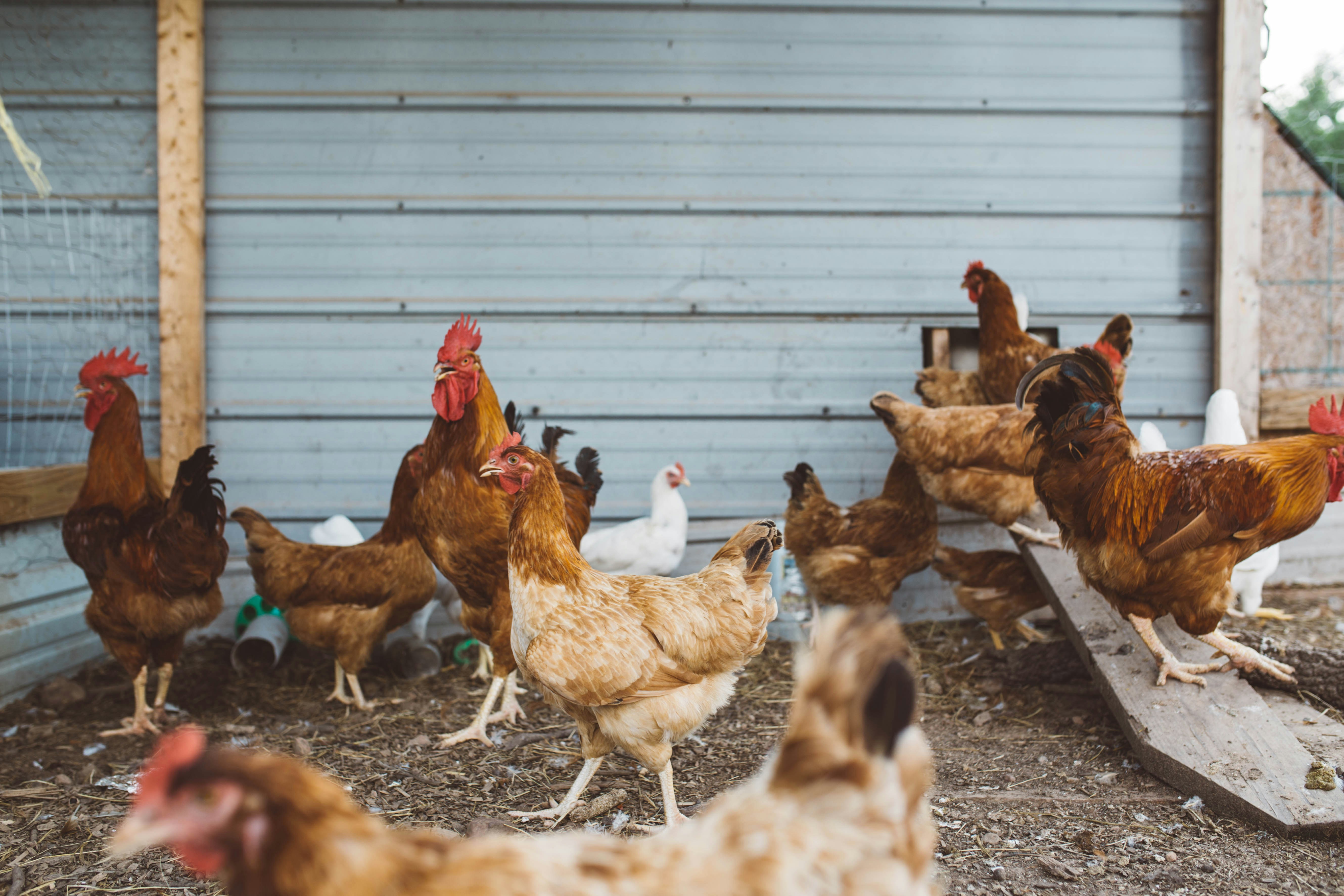
Beat the Carolina Heat: Summer Ventilation Tips for Star, NC Poultry Houses
Summer in the Carolina Piedmont is no joke. For poultry growers in Star, Troy, and across Montgomery County, the combination of intense July heat and thick, heavy Southern humidity is more than just uncomfortable—it is one of the greatest operational challenges of the year.
In a modern broiler house, heat stress can happen in the blink of an eye. When the heat index climbs, bird performance, feed conversion, and overall flock health depend entirely on the efficiency of your climate control systems. To help you protect your investment and keep your houses running at peak performance this summer, here is an essential guide to upgrading, maintaining, and auditing your summer ventilation infrastructure.
1. Maximize Windchill with Tunnel Ventilation Upgrades
When the outside air feels like a sauna, your birds rely on the cooling power of moving air. Tunnel ventilation doesn't just exchange air; it creates a crucial windchill effect that lowers the effective temperature felt by the birds.
Audit Your Fan Speed: Over time, slipping belts and worn pulleys can quietly reduce a fan’s CFM (Cubic Feet per Minute) output by 10% to 20%. Check your belt tension monthly and replace pulleys that have worn down into a "V" shape.
Keep It Clean: Dust build-up on fan blades and shutters can choke airflow. A heavy layer of dust on shutters can reduce air velocity by up to 30%. Regular pressure washing before the peak of summer is a simple, zero-cost way to boost efficiency.
Consider Upgrading to High-Efficiency Fans: If your equipment is reaching the end of its lifespan, consider upgrading to newer, high-efficiency fiberglass or composite tunnel fans. Modern fans deliver higher wind velocity with significantly lower electrical draw, paying for themselves in saved utility costs over central North Carolina's long summer months.
2. Tune Up Your Cool Cells for Maximum Evaporation
Evaporative cooling pads (cool cells) are your primary defense when ambient temperatures soar past 85°F. However, if your water distribution or pad maintenance is lacking, you are losing valuable cooling degrees.
Clear the Scale and Algae: Hard water mineral deposits and algae growth block airflow and restrict water absorption. Flush your system completely and use approved, bird-safe algicides to keep the pads clean.
Check for Dry Spots: Walk the length of your cool cell pads while the system is running. Dry streaks indicate clogged holes in the top distribution pipe. Dry spots mean uncooled, hot air is cutting straight into the house, creating localized hot zones for your birds.
Manage the Humidity Window: Evaporative cooling works best when humidity is lower. On those classic, high-humidity Montgomery County afternoons, monitor your house humidity closely. Running cool cells when the house relative humidity is already above 75% to 80% restricts the bird’s ability to cool themselves via respiration. Optimize your controller settings to trigger pads based on a balance of temperature and relative humidity.
3. The Ultimate Safety Net: Backup Generator Readiness
In the dead of summer, a power outage in a fully locked-down tunnel house is an absolute emergency. Without immediate airflow, heat builds to lethal levels in minutes. Your backup generator isn't just a piece of insurance; it is life support for your farm.
Test Under Full Load: Don't just let your generator idle for its weekly automated test. Run it under a full operational load—with all tunnel fans and cool cell pumps running—for at least 30 minutes before the first summer heatwave hits.
Inspect the Automatic Transfer Switch (ATS): A generator is only as good as the switch that tells it to turn on. Ensure your ATS is clear of dust, cobwebs, and rodent damage, and that it transfers power seamlessly within seconds of a simulated outage.
Fuel and Filter Check: Ensure your diesel tanks are topped off with fresh, stabilized fuel, and replace fuel filters annually. Summer storms in central North Carolina can knock out rural grids for hours or even days; you don't want a clogged filter shutting down your power when the grid goes dark.
The Bottom Line
In contract poultry farming, summer success is won or lost in the details of your maintenance routine. Taking the time right now to clean your shutters, flush your cool cells, and stress-test your generator ensures that when the grueling Carolina heat arrives, your houses remain a safe, cool, and productive environment for your flock.
Are you looking to expand your agricultural footprint or upgrade to a more modern poultry operation in the Piedmont? Let's discuss current market trends, integrator requirements, and available poultry real estate in Central North Carolina.