
Predator-Proofing the Piedmont: Protecting Your North Carolina Broiler Houses
In the heart of the North Carolina Piedmont, poultry farming is more than just a business—it’s a way of life. From the rolling hills of Montgomery County to the flatlands of the Sandhills, our region offers a prime environment for broiler production. However, the same lush landscape that supports our farms is also home to a variety of crafty predators.
Protecting your investment means staying one step ahead of the local wildlife. Whether you are managing a multi-house operation in Star or a smaller family farm near Troy, here is specific advice for safeguarding your flock against the Piedmont’s most common threats.
Understanding the Local "Vermin Gallery"
In our neck of the woods, we primarily deal with three types of threats, each requiring a different defensive strategy:
The Aerial Assault (Hawks and Owls): Red-tailed hawks are a constant fixture in the North Carolina sky. While broiler houses are enclosed, the danger usually peaks during bird transfers or if there are any structural gaps in the eaves or ridge vents.
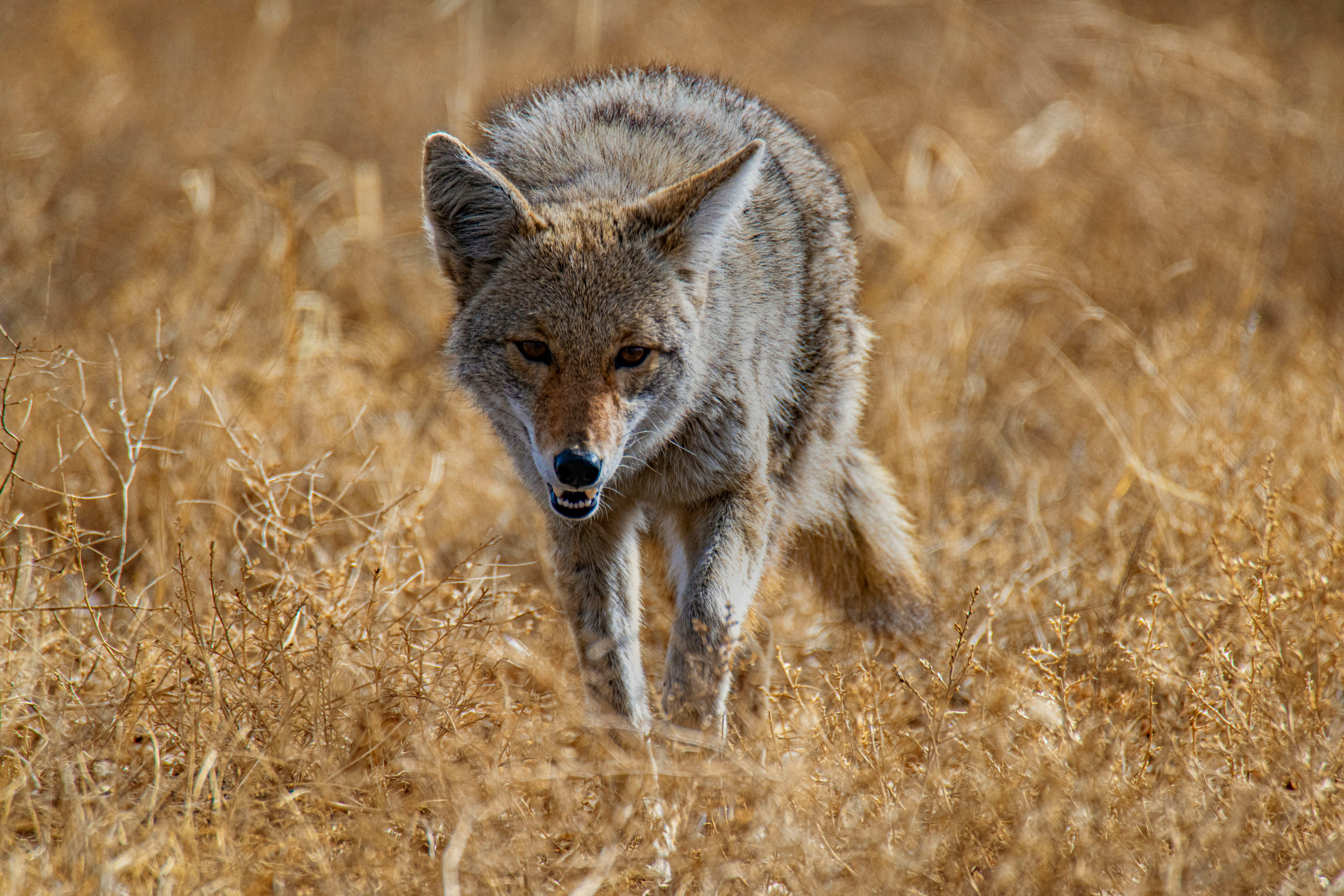
The Clever Diggers (Foxes and Coyotes): Coyotes have become increasingly prevalent across the Piedmont. They are strong, persistent, and capable of digging under foundations if they scent a vulnerability.
The Opportunity Seekers (Raccoons and Weasels): These smaller predators are experts at finding tiny "weak spots" in siding, fan housings, or shutters.
1. Secure the Perimeter: Foundation and Fencing
A broiler house is only as secure as its ground-level defenses. Since coyotes and foxes are notorious diggers, consider these upgrades:
Concrete Aprons: Ensure your concrete footings are intact. If you have older houses with dirt floors or aging foundations, adding a gravel or crushed stone perimeter can discourage digging.
Trench Fencing: For added security around the house or litter shed, bury hardware cloth at least 12 inches deep with an "L" shape facing outward. This creates a physical barrier that stopping predators mid-dig.
2. Seal the "Small Gaps"
A raccoon can squeeze through a hole the size of a baseball, and a weasel needs even less space.
Mesh Your Fans: Ensure that all exhaust fans have heavy-duty wire mesh covers. These should be checked monthly for rust or tears.
Check the Eaves: In the Piedmont’s humid climate, wood rot can happen fast. Inspect your soffits and eaves for soft spots where a predator could claw their way into the attic space or drop down into the house.
3. Manage Your "Attractants"
Predators are often drawn to a farm by secondary factors rather than the birds themselves.
Litter Management: Keep your dry stack or litter shed secured. The scent of used litter can draw scavengers from miles away.
Mortality Disposal: This is the most critical step. Ensure your compost bins or incinerators are functioning perfectly and are completely predator-proof. Never leave carcasses exposed, as this "trains" local coyotes to frequent your farm.
Tall Grass: Keep the grass mowed at least 30 feet back from all houses. Predators like foxes use tall grass as cover to approach a building undetected.
4. Utilize Technology
Modern North Carolina farmers are increasingly turning to tech to keep watch.
Motion-Activated Lighting: LED floodlights triggered by motion can startle coyotes and foxes, often sending them back into the woods before they reach the barns.
Game Cameras: Placing a few cellular game cameras around the perimeter can help you identify which specific predators are "scouting" your houses so you can adjust your defenses accordingly.
The Bottom Line
Predator-proofing in the Piedmont isn't a "one and done" task—it’s about consistent maintenance and vigilance. By securing your foundations, sealing gaps, and managing farm scents, you protect your birds and your bottom line.
Looking to expand your poultry operation or find the perfect tract of land in North Carolina? Reach out to our team today. We specialize in rural land and agricultural properties across the Piedmont and beyond.