
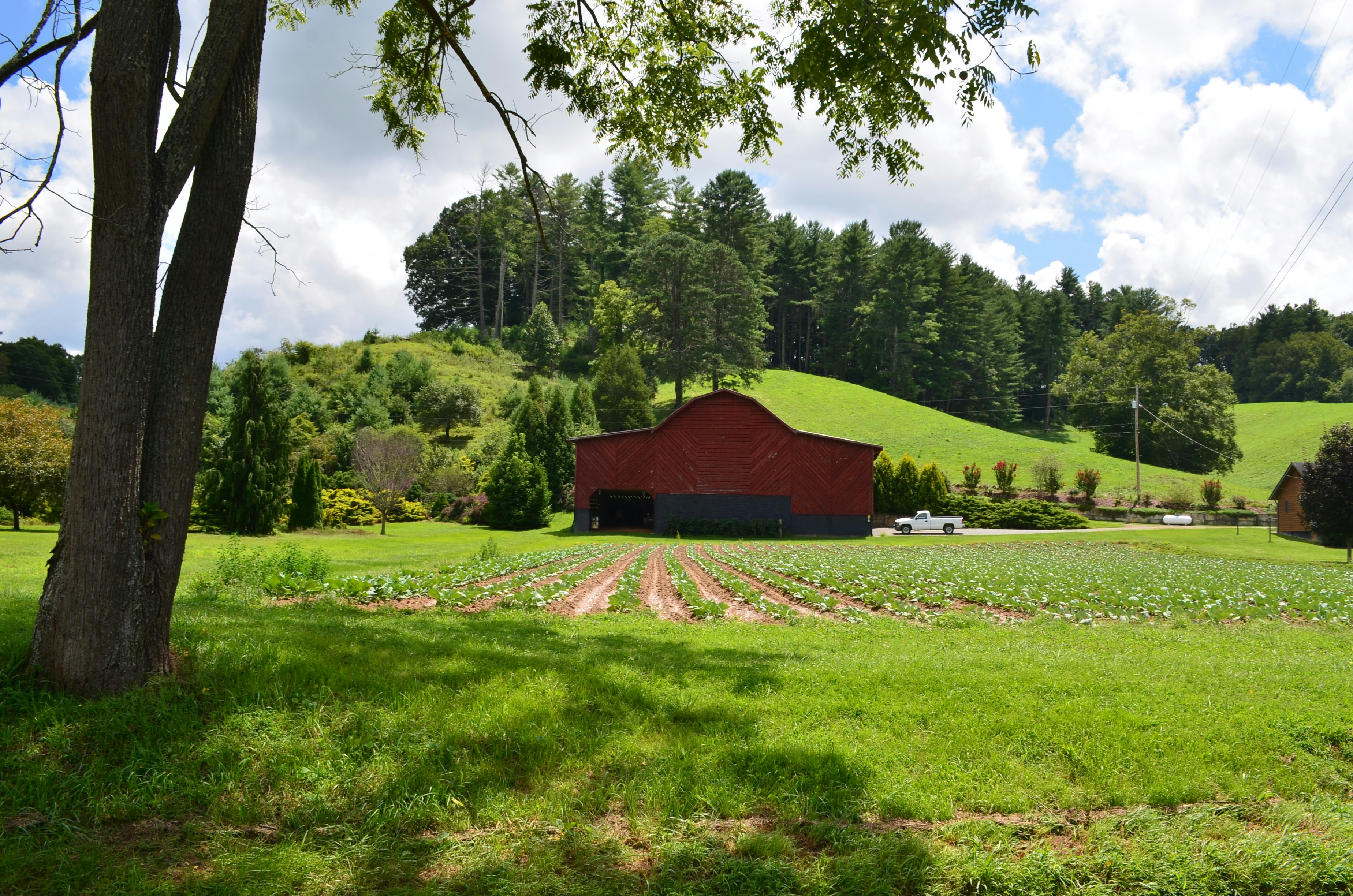
Passing the Torch: How to Prepare a Multi-Generational Southern Piedmont Farm for Sale
For decades, your family has poured sweat, dedication, and pride into the red clay and fertile loams of the Southern Piedmont. Whether you’re running a sophisticated broiler operation in Anson County, rotational cattle pastures in Stanly, or managed timberland near the Uwharrie National Forest, your farm is more than a business—it’s a living legacy.
But when the time comes to pass the torch, navigating the transition requires a different kind of labor. Selling a multi-generational farm isn't like selling a traditional suburban home. Buyers in today's market—ranging from institutional agricultural investors to younger families returning to the land—look at a farm through the lens of data, efficiency, and future viability.
To command the premium price your family’s hard work deserves, you must translate decades of physical stewardship into concrete, organized documentation. Here is your operational playbook for preparing your Central North Carolina farm for a high-value sale.
1. Dust Off the Yield Logs (Your Farm’s Financial Heartbeat)
A prospective buyer wants to see exactly what the land is capable of producing. Human memory can't be audited, but accurate yield logs can. Your historical production data is the ultimate proof of your soil management and operational efficiency.
What to gather: Compile at least five to seven years of detailed yield data. For poultry operations, this means bird weights, feed conversion ratios, and integrator settlement sheets. For row crops or hay production, document bushel or bale counts per acre.
The premium advantage: Consistent or improving yields tell a story of meticulous management. It proves to a buyer that they aren't just buying acres; they are buying an optimized, high-performing asset.
2. Map the Dirt (Highlighting USDA Prime Farmland)
In the Southern Piedmont, soil composition varies dramatically. A single tract can transition quickly from rocky ridges to rich, alluvial bottomland. Buyers want to know exactly what they are working with, and nothing speaks louder than official soil capability classes.
What to gather: Secure certified soil maps through the USDA Natural Resources Conservation Service (NRCS) or your local soil and water conservation district.
Locate the "Gold Standard": Pay special attention to acreage designated as USDA Prime Farmland or Farmland of Statewide Importance.
The premium advantage: If your farm boasts Cecil, Appling, or Georgeville soil series that are highly productive, call them out. Highlighting these zones visually on a map justifies a higher per-acre price tag to serious producers who understand that superior dirt equals superior profits.
3. Audit the Infrastructure and Equipment Inventories
The structural integrity of your outbuildings, wells, and fencing can make or break a land transaction. If the sale includes rolling stock (tractors, implements) or specialized automated systems (poultry house controllers, feeding lines), organization is everything.
Create an asset ledger: Build a clean spreadsheet listing every piece of equipment, its age, serial number, and recent maintenance dates.
Document the infrastructure: Detail the depths and flow rates (GPM) of your agricultural wells, the age of your poultry house cool cells, and the structural specs of your hay barns.
The premium advantage: Presenting a buyer with a neat, transparent binder of equipment warranties, recent service receipts, and structural dimensions eliminates guesswork. It builds immediate trust and prevents buyers from trying to negotiate the price down based on "unknown" maintenance risks.
The Piedmont Transition Tip: Environmental stewardship pays dividends at the closing table. If your farm operates under a current conservation plan, forest management plan, or has active USDA Present-Use Value (PUV) tax status, keep those certificates front and center. Showing a buyer that the property is already locked into favorable agricultural tax rates is a massive selling point.
Partner with a Specialist Who Knows the Dirt
Your farm’s history is rich, and its value is complex. Handing a listing like this to a traditional residential agent often means missing the nuances that sophisticated ag-buyers look for.
At United Country Real Estate | Uwharrie Property Group, we specialize in the unique language of land, poultry operations, and rural acreage. We don't just count bedrooms—we evaluate soil maps, analyze integrator contracts, and market the true legacy of your land to a national network of qualified buyers.
When you’re ready to write the next chapter for your family's estate, let's sit down and build a strategy that honors your past while maximizing your return.