
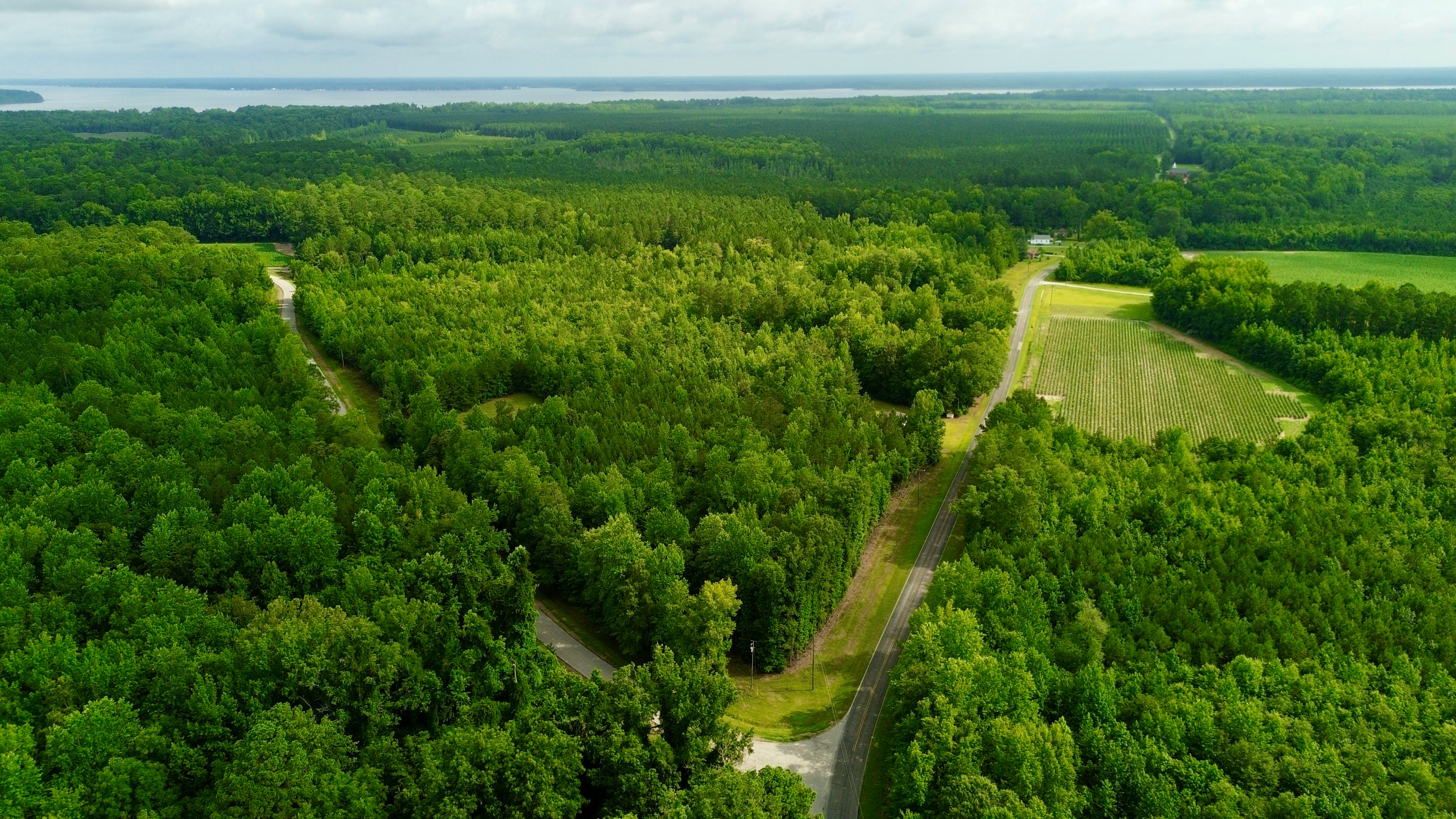
From Pasture to Profit: Preparing Agricultural Land for a Competitive Market
In the heart of the Southern Piedmont, land is more than just soil and grass—it is a production asset. Whether you are selling a multi-generational cattle farm in Montgomery County or a hay-producing tract in Stanly County, savvy buyers are looking for more than just a scenic view. They are looking for a return on their investment.
At Uwharrie Property Group, we understand that transitioning from "owner" to "seller" requires a shift in mindset. To command a premium price in today’s competitive market, you must prove the productivity of your land.
Here is how to organize your data and prepare your acreage to stand out to serious agricultural buyers.
1. The Foundation of the Sale: Soil Quality
To an agricultural buyer, the soil map is the most important document in the listing. In North Carolina, our terrain varies significantly, and proving the viability of your soil can eliminate guesswork for a buyer.
Get Recent Soil Tests: Don't rely on data from five years ago. Providing up-to-date reports on pH levels and nutrient density shows that the land has been cared for and is ready for immediate use.
Highlight Prime Soils: If your land contains "Prime Farmland" as designated by the USDA, make sure that is front and center in your marketing materials. It is a badge of honor that significantly boosts land value.
2. Water is Wealth: Irrigation and Rights
As weather patterns become more unpredictable, a reliable water source is a top-tier asset. A pasture with a consistent water strategy is worth more than one that relies solely on luck.
Document Your Sources: Whether you have a high-output well, a spring-fed pond, or creek access, have the specifications ready.
Clear Irrigation Rights: If you have permits for water withdrawal or established irrigation infrastructure, ensure all documentation is organized. Buyers need to know they can sustain their crops or livestock through a dry July without legal or physical hurdles.
3. The Paper Trail: Yield and Grazing History
If you were selling a business, you would show the profit and loss statements. Selling agricultural land is no different. Buyers want to see the "track record" of the dirt.
Yield Records: If you’ve been producing hay, corn, or soybeans, provide the last three to five years of yield data. Consistency is key.
Grazing Logs: For livestock operations, having a history of headcounts and rotational grazing patterns proves the carrying capacity of the land. It tells the buyer exactly how many "animal units" the pasture can support without overgrazing.
4. Infrastructure and Accessibility
Beyond the dirt and water, the "usability" of the land dictates the speed of the sale.
Fencing and Cross-Fencing: Highlight the linear footage of your fencing and its current condition. Perimeter fencing is a standard expectation, but high-quality cross-fencing for intensive grazing is a major value-add.
Access Points: Ensure that gates are wide enough for modern farm equipment and that interior roads are graded to handle heavy machinery. If a buyer can't get their tractor to the back pasture, they might look elsewhere.
Why Sell with Uwharrie Property Group?
We live and work in the Southern Piedmont. We know the difference between Cecil clay and sandy loam, and we know how to explain the value of your infrastructure to buyers coming from outside the region. At Uwharrie Property Group, we don't just list land; we market the lifestyle and the legacy of North Carolina agriculture.
Are you ready to turn your pasture into profit? Contact Uwharrie Property Group today for a comprehensive land evaluation and let’s get your property ready for the market!